Loading image...

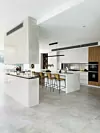
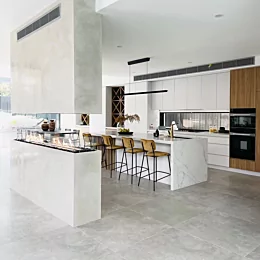
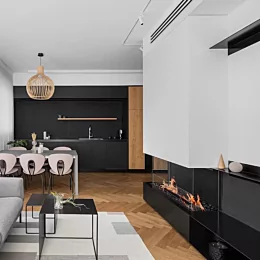
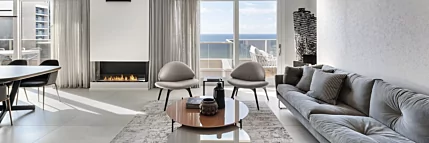 © Herbert / Architecture: @halel.arc / Photo: @odedsmadar
 Fireplace Inserts
Zero-clearance fireplaces
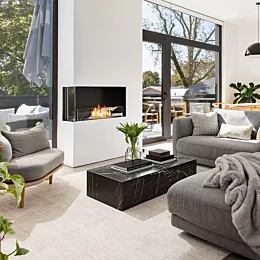
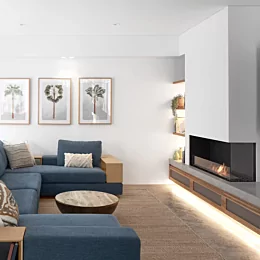
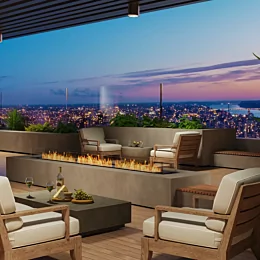
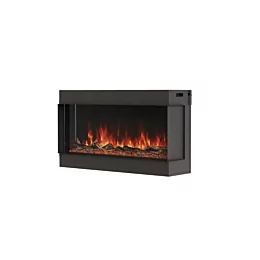
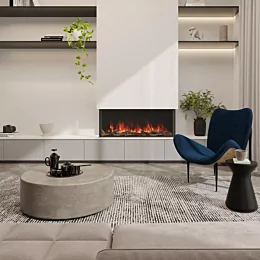
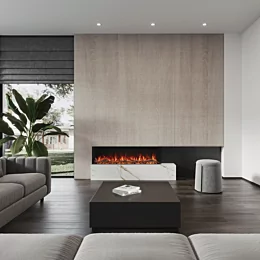
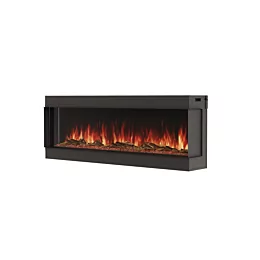
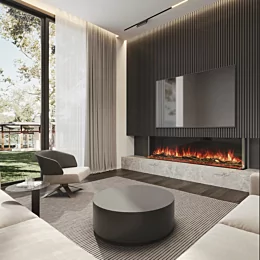
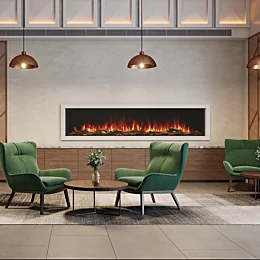
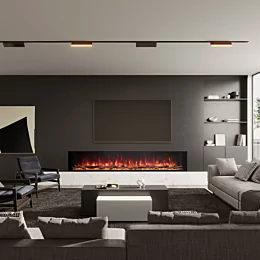
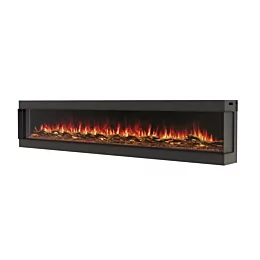
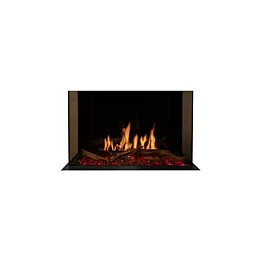
Create a social gathering point with an ethanol fireplace insert! A cosy and warm fireplace will perfectly complement your contemporary indoor or outdoor space. Available in different shapes, sizes and finishes, you're guaranteed to make memories around our ethanol fires.
Fireplace Insert Ranges
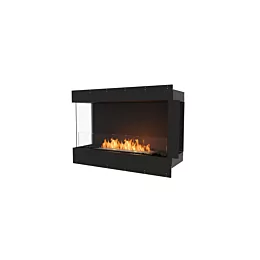
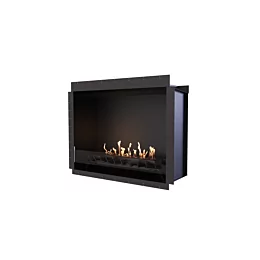
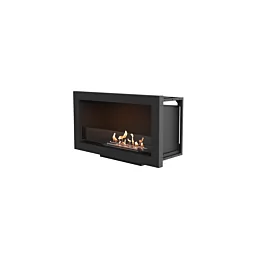
Models
Showing 18 items of 23
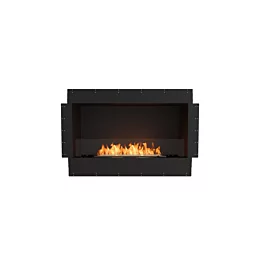
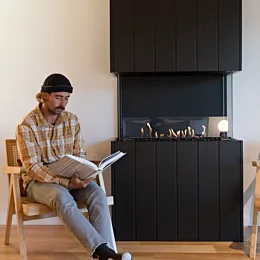
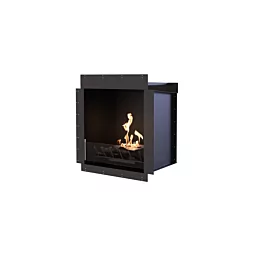
Single Sided Fireplace Inserts · EcoSmart Fire
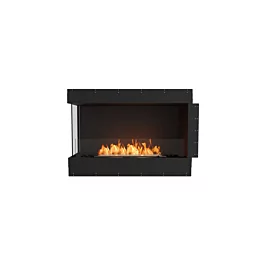
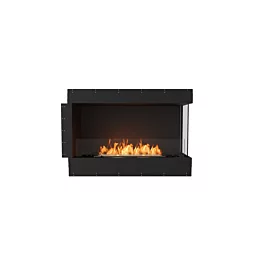
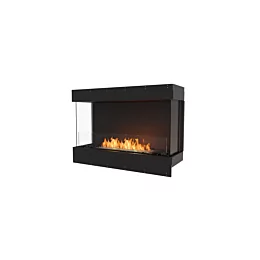
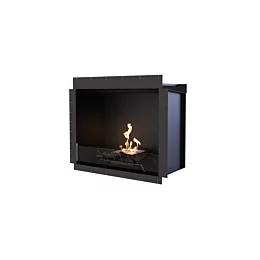
Left Corner Fireplace Inserts · EcoSmart Fire
Right Corner Fireplace Inserts · EcoSmart Fire
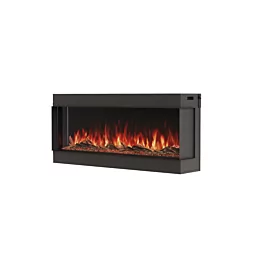
Bay Fireplace Inserts · EcoSmart Fire
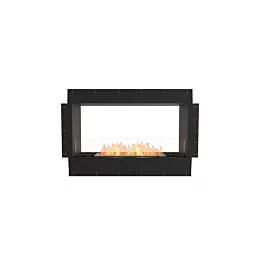
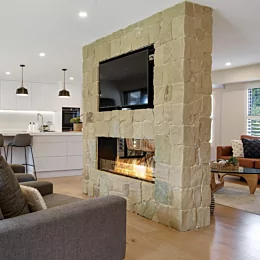
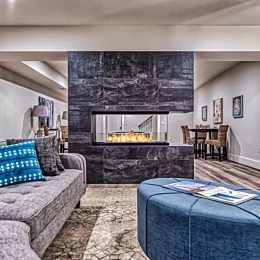
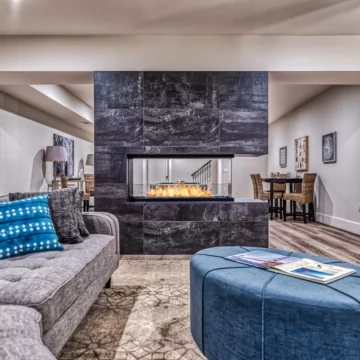
Double Sided Fireplace Inserts · EcoSmart Fire
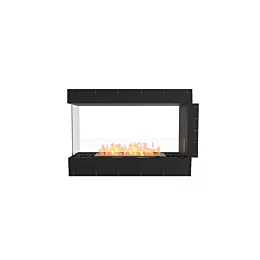
Peninsula Fireplace Inserts · EcoSmart Fire
Island Fireplace Inserts · EcoSmart Fire
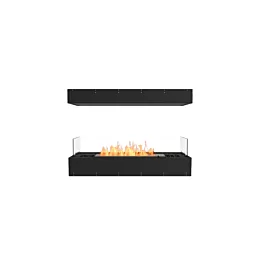
Bench Fireplace Inserts · EcoSmart Fire
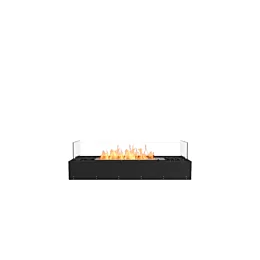
Heritage 26SS Fireplace insert · EcoSmart Fire
Heritage 42SS Fireplace insert · EcoSmart Fire
Heritage 56SS Fireplace insert · EcoSmart Fire
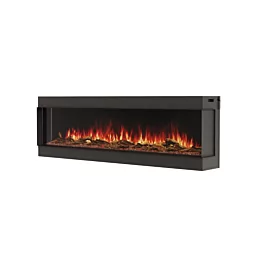
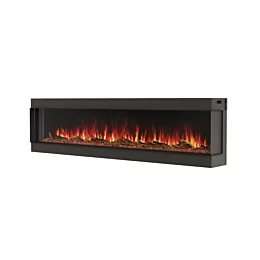
Switch 44 Electric Fireplace · EcoSmart Fire
Switch 56 Electric Fireplace · EcoSmart Fire
Switch 68 Electric Fireplace · EcoSmart Fire
Switch 80 Electric Fireplace · EcoSmart Fire
Switch 96 Electric Fireplace · EcoSmart Fire
Switch 120 Electric Fireplace · EcoSmart Fire
Motion 30 Electric Fireplace · EcoSmart Fire





Loading image...
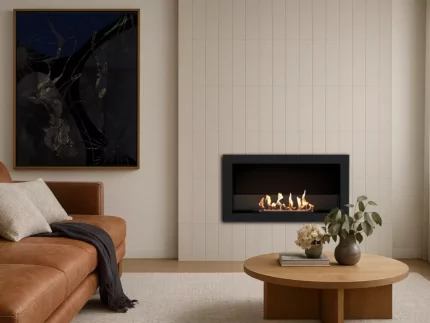
Premium materials
Constructed from mild steel with zinc-sealed, high-temperature powder-coat, toughened low-iron glass, and Grade 304 stainless steel burners, our Fireplace inserts are engineered for lasting performance and sophisticated style.
Zero clearance
Self-contained, zero clearance construction allows your Frame fireplace to be installed into wood or metal studs, providing installation freedom and flexibility for builders, architects, interior designers, landscapers and homeowners.
Loading image...
 © Design & Build: EcoLiv / Photo:
@kimkeltiephotography
© Design & Build: EcoLiv / Photo:
@kimkeltiephotography Complete design freedom
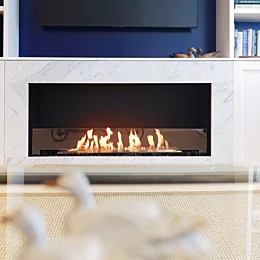
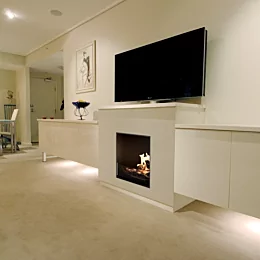
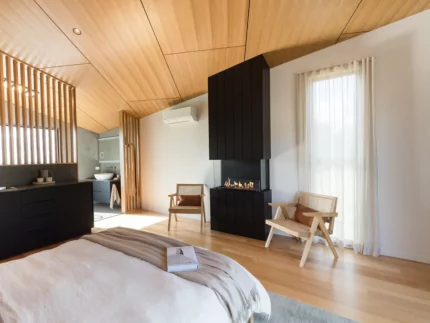
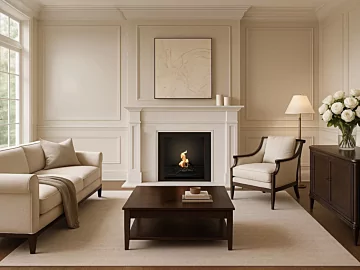
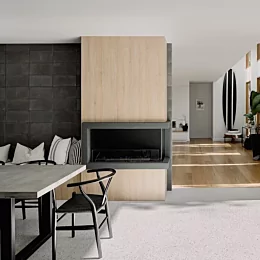
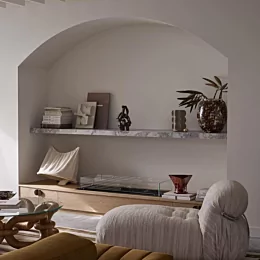
Place in virtually any room with complete customisation of finishing material. Whether integrating into marble, timber, concrete, or custom millwork, our Fireplace Inserts adapt beautifully to your aesthetic vision and architectural requirements.
Significant savings
With no flue requirement for gas lines, electricity, or venting, installation costs are dramatically reduced. Enjoy a streamlined process that eliminates multiple trades and complex approvals while maintaining premium quality and performance.
Loading image...
Loading image...
Loading image...

Our flame, your vision
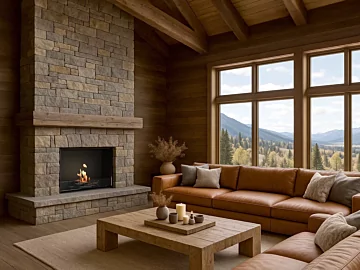
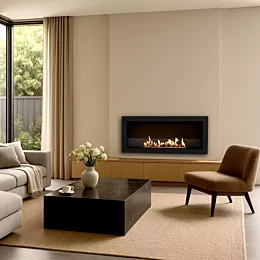
Embrace your creative freedom. Fireplace Inserts enable you to use any wall material, combustible or not, ensuring your vision comes to life without limitations.
Loading image...
No flue, no chimney, no vent
Fuelled by clean-burning e-NRG bioethanol, our burners produce a beautiful orange flame without any smoke, soot or ash.
Loading image...
Global compliance
These models comply with existing standards in the USA, Europe, UK and Australia. O-TL listed to UL1370, EN 16647 BSI Certified and ACCC Safety Mandate compliant.
Styled by Our Clients
Loading image...
Loading image...
Loading image...
Loading image...
Loading image...
Loading image...
Related Collections
Learn More
FAQ's
What is the minimum room volume for a wall-mounted ethanol fireplace?
Minimum room volume is determined by the burner capacity, not the fireplace footprint. EcoSmart Fire wall-mounted bioethanol fireplaces require between 40 m³ [1,413 ft³] and 90 m³ [3,178 ft³] depending on the model's heat output; compact models start at 40 m³, whilst larger designer series reach 90 m³. A few models in the largest range require up to 116 m³ [4,096 ft³].
These figures represent the air capacity needed to sustain clean combustion. EcoSmart Fire bioethanol fireplaces are engineered to operate safely in rooms of these volumes, meeting strict safety certifications. Natural air infiltration through doors, windows, and standard building construction provides adequate fresh-air exchange in rooms meeting the minimum volume.
The right fireplace scale often matches your room size naturally. A 40 m³ space (roughly 4 × 5 × 2 metres) suits compact models perfectly; a 90 m³ space (say, 6 × 5 × 3 metres) accommodates larger designer fireplaces. Rather than viewing this as a constraint, consider it a guide to matching the visual and thermal impact of the fireplace to the space itself.
Check your product's specifications for the exact minimum; the burner type determines the requirement, not the installation style.
Do fireplace inserts require professional installation?
EcoSmart Fire's zero-clearance bioethanol fireplace inserts do not require professional installation. They are designed for confident DIY completion with comprehensive instructions.
The process has three steps: construct a timber-framed cavity to specified dimensions, mount the insert via the included mounting holes, and finish the surround with approved non-combustible materials. No structural modifications or specialist trades are needed.
Many customers choose to involve a qualified builder or interior designer, and this is where professional input earns its value. A tradesperson brings precise placement, tight integration with bespoke cabinetry, and a polished finish that elevates the overall design. If you're building or renovating, they can also coordinate installation timing across other trades on site.
EcoSmart Fire's trade specialists offer a free drawing review to validate your plan before work begins, giving you expert oversight without the cost of full professional installation.
Building permit requirements vary by jurisdiction; confirm local regulations before starting work.
Can wall-mounted fireplaces be recessed into the wall?
Yes, EcoSmart Fire bioethanol fireplaces can be recessed into walls. The Flex range is specifically engineered for recessed installation, with the appliance mounted inside a wall cavity and finished flush with the surrounding surface, eliminating any protrusion.
A recessed Flex fireplace requires a framed cavity with specific dimensions: 365 mm [14.4 in] deep, 730 mm [28.7 in] high, and width from 488 mm [19.2 in] up to 4,140 mm [163 in] depending on the model chosen. The appliance slides into the cavity and anchors to the wall framing via mounting flanges. Crucially, any framing above the installation must be self-supporting; the fireplace itself carries no load from the structure.
The zero-clearance design means the unit installs directly against framing with no additional clearance requirements. Recessing integrates seamlessly with marble, timber, concrete, and bespoke millwork finishes, maximising the room footprint while creating a sculptural architectural focal point.
Recessed into an interior wall, a Flex bioethanol fireplace delivers a clean, indoor-optimised flame — no flue, no gas line, and no chimney required. The bioethanol fuel burns cleanly, producing no soot or smoke, making it well suited to sealed indoor environments where air quality and interior finish integrity matter. From living rooms and bedrooms to hospitality spaces, the flush, frameless installation creates a living indoor flame feature that is as architecturally refined as it is practically suited to indoor living.
Can a wall-mounted bioethanol fireplace be installed in a rental property?
Yes, a wall-mounted bioethanol fireplace can be installed in a rental property, provided you have written consent from your landlord or property manager.
Bioethanol models have a clear advantage in the rental context: no gas line, no flue, and no electrical connection are required. The fireplace runs entirely from bottled fuel, so there is no permanent utility infrastructure to negotiate. This removes the primary obstacles that would make a gas or wood-burning installation impractical or impossible in most rental agreements.
Installation does involve physical wall work. A recessed model requires a framed wall cavity; a surface-mounted model requires anchor fixings. Both create modifications that most tenancy agreements require prior landlord approval for. Obtain that consent in writing before any work begins.
How much does an ethanol fireplace insert cost to install?
EcoSmart Fire bioethanol fireplace inserts cost significantly less to install than traditional gas or wood-burning fireplaces because they eliminate structural modifications, gas line installation, and chimney work. Installation focuses on securing the insert in a framework and finishing the surround, a zero-clearance design that removes expensive building work.
The cost advantage comes from simplicity: no venting requirement, no electrical wiring, no combustion air ducts. Installation typically completes in under an hour once the framework is ready, keeping labour costs lower and timelines shorter. Many homeowners invest in professional finishing work, but the fireplace insert itself requires minimal specialist input.
EcoSmart Fire reports up to 70% in cost savings compared to gas fireplaces across the full installation journey. This includes the insert and surrounding build work. The remaining costs reflect design choices: cabinetry finishes, materials, and architectural integration, decisions that would apply regardless of fireplace type.
Once installed, running costs are minimal. A 9-litre fuel refill burns for 8–13 hours depending on heat setting, making it one of the most economical focal point options. Total cost of ownership, including installation and fuel, typically proves competitive with traditional alternatives.
Can fireplace inserts heat an entire home?
Bioethanol fireplace inserts are designed as supplemental heat sources rather than primary heating systems for whole homes. EcoSmart Fire's zero-clearance inserts effectively heat individual rooms ranging from 35 to 65 square metres [377 to 700 square feet], depending on burner configuration and room volume. This focused heating strategy is intentional: inserts deliver 90 per cent efficiency because ventless design retains all heat within the room, rather than losing it up a chimney.
For whole-home heating, consider two approaches: combine multiple inserts in key gathering spaces (living areas, gathering spaces), or use your existing central heating system with inserts adding warmth and ambience to high-use zones. A single insert won't replace your primary heat source, but it reduces energy demand in the room it occupies whilst delivering the aesthetic benefits of real flame. This targeted approach suits luxury residential design where thoughtful zone heating aligns with sustainable living principles.
Can they be installed on any wall type?
EcoSmart Fire wall-mounted fireplaces are engineered for integration into most wall constructions, though the backing material and clearances matter. Suitable substrates include brick, stone, plastered masonry, fire-rated plasterboard, tile, and concrete. Stud walls work when lined with fire-rated plasterboard and hollow-wall anchors; fabric and wallpaper directly behind the unit must be avoided.
Recessed installations require non-combustible cavity backing, such as vermiculite board, fibre cement, or steel framing lined with fire board, to maintain safe operating temperatures. The Flex Series is purpose-built for architect-led recessed integration and uses specified mounting brackets and spacers to create the necessary air gap for heat distribution.
Installation details vary by model, so the manufacturer's installation manual governs clearances to combustibles and any structural considerations.
What are the differences between the Flex, Heritage, and Frame fireplace insert series?
Three zero-clearance bioethanol series, three distinct design intents. Flex is the format-flexible range for bespoke and commercial builds, Heritage reimagines the traditional hearth for compact and high-rise settings, and Frame delivers low-profile linear flame for contemporary and retrofit interiors.
Where they diverge:
- Flex offers the widest format choice: 12 single-sided sizes from 378 to 4,030 mm [14.9 to 158.7 in] viewing width, available across eight configurations (single-sided, left corner, right corner, bay, double-sided, peninsula, island, and bench). The viewing area is all live flame. Select models include an optional decorative box and copper log set. Single-sided models share a 365 mm [14.4 in] depth.
- Heritage is the single-sided traditionalist. Three sizes, 860 to 1,624 mm [33.9 to 63.9 in] wide, with the tallest proportions and deepest 539 mm [21.2 in] profile of the three. A SECC steel grate and toughened glass fire screen come standard, creating the classic log-fire read inside a modern firebox. Zero-clearance, ventless installation makes it suited to compact living spaces and high-rise buildings.
- Frame is the shallowest and lowest-slung, at 363 to 403 mm [14.3 to 15.9 in] deep and 598 mm [23.5 in] high. Five single-sided sizes, toughened low-iron glass for clearer flame, and a design that lets wall finishes be updated without disturbing the insert.
Flex for design freedom. Heritage for traditional proportions without the infrastructure. Frame for linear, low-profile statements and renovations.
Can I install a fireplace insert into my existing fireplace?
EcoSmart’s fireplace inserts are mostly used for new construction when an entirely new fireplace is desired for a given space. They are not designed for the conversion or remodelling of an existing masonry or gas fireplace but could be used if the dimensions align.
To convert an existing fireplace we recommend using our fireplace grates or ethanol burners as noted above.
Ensure that the flue has been closed off and the relevant suppliers have officially detached all connections to utilities.
What is the ideal mounting height for wall fireplaces?
Ideal mounting height for EcoSmart Fire wall-mounted bioethanol fireplaces depends on how you want to experience the flame rather than a single fixed measurement. Position the burner at eye level when seated in your primary viewing area, typically 1,200–1,400 mm [47–55 in] from the finished floor, so the flame draws your gaze naturally as you relax.
Viewing angle is the real guide. If you'll stand in front of it, aim higher. If you're watching from a dining table, position lower. The beauty of bioethanol fireplaces is that ventless installation frees you from chimney positioning, ceiling-height constraints, or ventilation paths. Design comfort first, then build clearance into the architecture around it.
Maintain overhead clearance of 1,500 mm [59.1 in] from the flame to any combustible material (ceilings, shelving, curtains). Non-combustible mantels can sit as close as 600 mm [23.6 in]. These aren't rigid rules but sensible margins that protect finishes and ensure safe operation.
Your placement becomes a design choice driven by sightline and room proportion, not a compliance checklist.