Loading image...
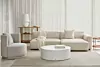
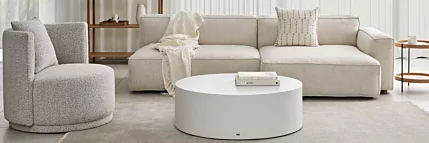
Coffee Tables
Modern and stylish concrete tables
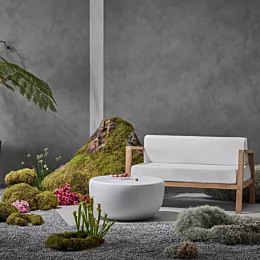
Blinde Design tables make an enduring style statement in any outdoor or indoor space. With alluring clean lines, tactile materials, and a choice of shapes, sizes, neutral, on-trend shades and versatile designs, Blinde Design tables are created for any space, any occasion.
Models
Showing 11 items of 11
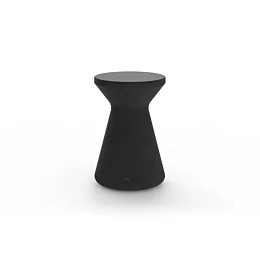
Solo Concrete Stool · Blinde Design
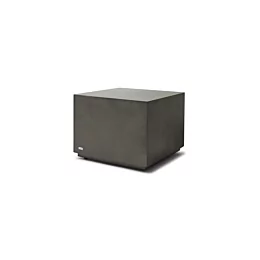
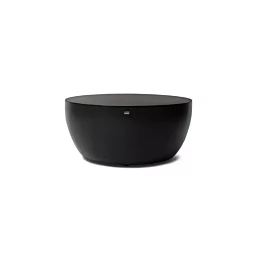
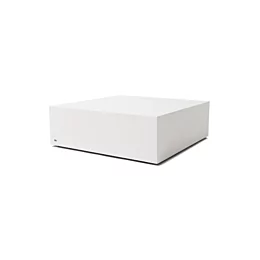
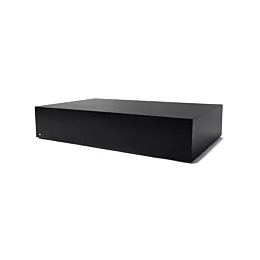
Cube 24 Concrete Coffee Table · Blinde Design
Node 30 Concrete Coffee Table · Blinde Design
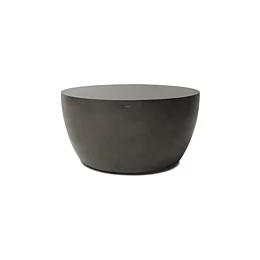
Curv 30 Concrete Coffee Table · Blinde Design
Curv 40 Concrete Coffee Table · Blinde Design
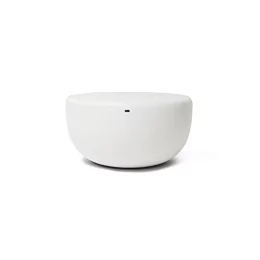
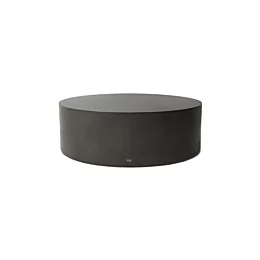
Circ 40 Concrete Coffee Table · Blinde Design
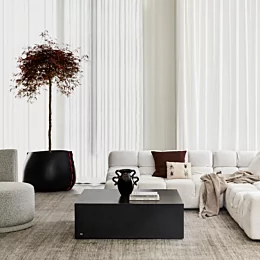
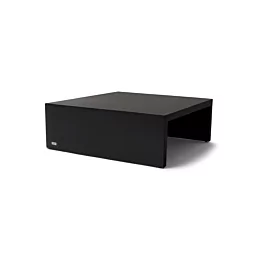
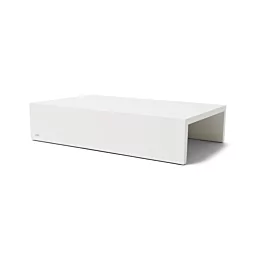
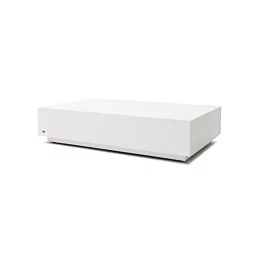
Bloc 40 Concrete Coffee Table · Blinde Design
Niche 40 Concrete Coffee Table · Blinde Design
Niche 50 Concrete Coffee Table · Blinde Design
Dash 50 Concrete Coffee Table · Blinde Design
Move 65 Concrete Coffee Table · Blinde Design







Loading image...
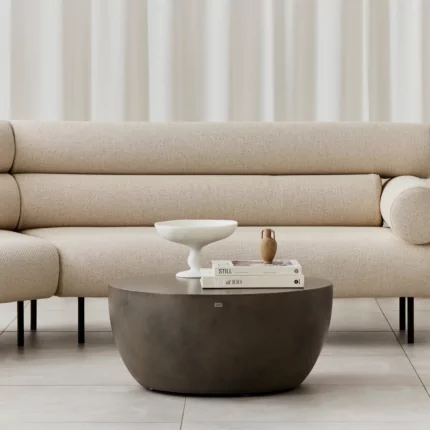
Strong and durable
Fluid™ Concrete Technology creates strong yet relatively lightweight concrete tables that can withstand the effects of the weather and UV exposure.
Design flexibility
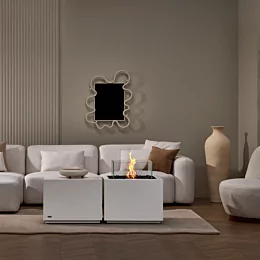
Select from a variety of shapes and sizes, available in either a raw or painted concrete finish, with three on-trend colour tones designed to enhance any alfresco or interior space.
Loading image...


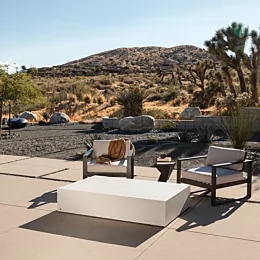
All-weather creation
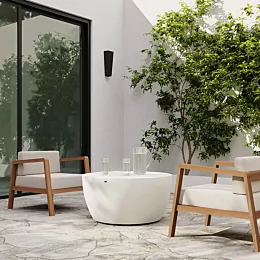
Blinde Design tables are made from robust concrete and feature a surface coating that is resistant to moisture, UV rays, fire, insects, mold, mildew and extreme temperature.
Loading image...
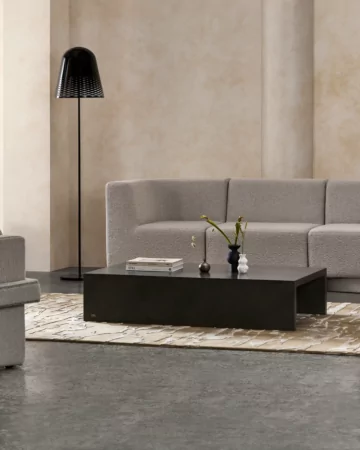
Eco-friendly
Fluid™ Concrete is made from a combination of green cement and 95% recycled natural materials that absorb CO² during the curing process. Composites are 100% recyclable and release minimal greenhouse gas emissions.
Multi-functional
Our concrete tables are relatively lightweight to enable easy, convenient adaptation to your outdoor or indoor environment.
Loading image...
Ease of maintenance
Every table is coated with a water-resistant barrier that protects it from moisture, ethanol, wine, vinegar, oil, mustard, tomato sauce, salt, soy, bleach, coffee, window cleaner and more.
Loading image...

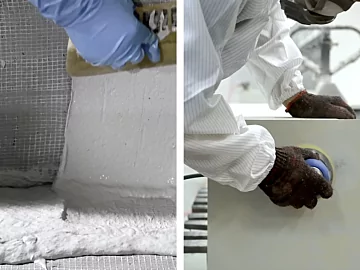
Handcrafted artistry
In a world where speed and automation dominate production, we take a different path. We cherish the irreplaceable qualities of handmade work, which is why each of our concrete tables are crafted by human hands with painstaking attention to detail.
Related Collections
Learn More
FAQ's
What shape coffee table is best - round, rectangular, or oval?
The best coffee table shape aligns with your room layout, seating arrangement, and design intent. Blinde Design offers round, rectangular, and square concrete coffee tables, each handcrafted to complement a distinct spatial purpose.
Round tables create organic flow and define gathering spaces, drawing people together with curved edges that soften a room's geometry. Rectangular tables anchor clean lines and suit linear seating arrangements, working well in contemporary layouts. Square tables balance compactness with presence, ideal for flexible rooms or transitional spaces.
All shapes are crafted in Fluid Concrete Technology with stain-resistant surfaces, discrete levelling feet, and lightweight construction that belies concrete's strength. Each piece carries a unique serial number for quality traceability.
Shape selection is less about finding the "best" and more about matching intention to space. In concrete, each shape responds differently to light and shadow; round invites viewing from multiple angles while rectangular emphasises clean horizontal lines.
Blinde Design's philosophy centres on timeless, adaptable pieces. Concrete's enduring surface and neutral aesthetic pair with timber, stone, and metal accents across interior styles, making any shape a foundation your room grows around rather than outgrows.
How much clearance space should surround a coffee table?
Coffee tables need 46–61 centimetres [18–24 inches] of clearance on each side to allow comfortable circulation and seating. This gives visitors room to walk past without squeezing, and allows seated guests to pull their chairs back from the table without obstruction.
The exact clearance you choose depends on your layout. In tight living rooms, start at the lower end; 46 centimetres gives functional access. In spacious areas or outdoor entertaining zones, 61 centimetres or more creates an inviting circulation rhythm and lets people move freely around the table without awareness of constraint.
Consider your table's footprint and the surrounding seating. A smaller table (1,000 mm [39.4 in]) may feel balanced with modest clearance, whilst a larger table benefits from generous space that showcases its presence as a focal point. Blinde Design tables are thoughtfully weighted and easy to move, so you can test placement before finalising the arrangement, positioning the table to anchor your gathering space rather than obstruct it.
One practical approach: measure your seating area, position the table, and walk the perimeter. If you feel the space breathes and welcomes movement, you've found the right clearance for your particular room or outdoor setting.
What size coffee table do I need?
Blinde's concrete tables range from compact 610 mm [24 in] squares to large 1,270 mm × 762 mm [50 × 30 in] rectangular designs, each suited to different spatial needs and design intentions. Concrete's material presence matters more than dimensions alone. A smaller concrete table creates substantial visual weight and presence because of its density, so you can size down from what lightweight furniture might require.
Consider your sofa length and gathering patterns. Compact tables work as accent pieces or modular configurations in smaller interiors; the mid-range 1,000 mm [39.4 in] square suits standard seating areas; the large rectangular suits extended living or outdoor lounge settings. Height varies from ultra-low 282 mm [11.1 in] for visual lightness to 503 mm [19.8 in] for sculptural presence. Choose based on the visual feel you want, not just reach-from-sofa practicality.
All pieces are crafted from Fluid Concrete (green cement with 95% recycled content) and finished in Natural, Graphite, or Bone. They're weather and stain-resistant, suited indoor and outdoor. Explore product pages for detailed dimensions and 3D visualisations to see how each scale works in real spaces.
What materials are best for coffee tables?
Blinde Design coffee tables are constructed from Fluid Concrete, a proprietary composite engineered for lasting beauty and performance. Unlike conventional concrete, Fluid Concrete incorporates green cement and recycled natural materials, making it 95% recycled and 100% recyclable while reducing manufacturing emissions by 90% compared to Portland cement.
The material delivers concrete's solidity and timelessness with engineered durability: it resists staining from wine, ethanol, coffee, and common household substances, withstands UV rays and extreme temperatures, and resists mould and insects. The surface is three times more scratch-resistant than most concrete products. Seamless, join-free construction eliminates the aesthetic compromise of mould lines.
Each table is handcrafted, avoiding automation to preserve artisanal quality. The refined finish is available in three contemporary neutral shades: Natural, Graphite, and Bone. Minimal maintenance means occasional wiping and twice-yearly car wax polish application.
Fluid Concrete represents enduring design: pieces built to last decades, not seasons. Suitable for residential, hospitality, and commercial spaces alike.
Should a coffee table match or complement the sofa?
A coffee table doesn't need to match your sofa, and in fact, the most thoughtfully designed living rooms treat the coffee table as a complementary focal point that works with your seating, not as an exact duplicate. The key is coordinating undertones and materials rather than seeking perfect visual uniformity.
Concrete tables work beautifully in this complementary role. When you pair a Blinde Design concrete coffee table with upholstered or wooden seating, the table's intentional visual weight creates dynamic tension. It grounds the space and draws the eye down to a centre point, anchoring the room's composition. The three neutral shades (Natural, Graphite, Bone) are specifically designed to coordinate with existing sofas and chairs without competing for attention.
Think of coordination as a conversation between materials. Pair concrete with warm wood tones or soft upholstery to break up visual monotony and create depth. This approach feels purposeful and sophisticated rather than accidental. You're making a design decision that reflects your aesthetic sensibility. Unlike exact matching, which can feel formulaic, complementary coordination allows your coffee table to function as a genuine statement piece while remaining grounded in your room's overall palette.
The handcrafted character of concrete, with its natural variations and durability, means your table will age beautifully alongside your other furnishings, developing patina that deepens its integration into your space over years.
Which coffee table materials are most durable?
Blinde Design coffee tables are made from Fluid Concrete, a proprietary composite that outperforms traditional materials in durability and longevity. It is three times more scratch-resistant than standard concrete, and resists water, UV rays, fire, and temperature extremes.
What sets Fluid Concrete apart is its one-piece construction. Without join lines, there are no entry points for moisture or mould, the primary threats to outdoor furniture longevity. The material is fully cured, so it does not retain water or expand and contract with temperature shifts. This delivers dimensional stability across seasons, year after year. Unlike timber, glass, or stainless steel, Fluid Concrete will not splinter, shatter, or corrode.
Each table is handcrafted from green cement and 95% recycled natural materials, creating a piece that is lighter than expected (35.5–42 kg depending on size) yet strong enough to support heavy loads. The concrete is 100% recyclable and absorbs CO2 during its curing process. A protective surface coating guards against staining from wine, coffee, and oils, while a simple annual clear-coat application keeps it performing for decades.
How do I choose the right coffee table for my living room?
Choosing a Blinde Design concrete coffee table starts with form and finish, which both anchor how the piece integrates with your living room. Blinde Design makes handcrafted concrete coffee tables in three distinct forms: square and compact designs (ideal for smaller spaces), round and organic curves (statement pieces with fluid lines), and linear profiles (contemporary minimalist settings). Each comes in three finishes (Natural, Graphite, and Bone) that coordinate with existing material palettes.
The material itself shapes the choice. Blinde Design's Fluid Concrete Technology is handcrafted from green cement and 95% recycled natural materials, making each table a durable investment. The concrete is stain-resistant to ethanol, wine, coffee, and household cleaners, offering practical resilience for a living room centrepiece. It resists UV rays, moisture, and temperature extremes, so the table weathers beautifully both indoors and outside.
Consider how you use your space. Do you host regularly? Concrete's stain resistance and durability suit entertaining without worry. Prefer minimal maintenance? A wipe with a damp microfibre cloth and twice-yearly car polish keeps the finish vibrant and UV-protected. Each table bears a unique serial number, reflecting artisan quality and enduring craftsmanship. It is a piece you anchor a room around for decades, not seasons.
Do you really need a coffee table in your living room?
A well-designed coffee table is rarely essential, but it transforms how a living room feels and functions. Beyond holding drinks and remotes, a thoughtfully crafted table anchors a seating arrangement, gives your space visual coherence, and becomes a conversation piece that guests notice and remember.
Concrete coffee tables from Blinde Design serve this role particularly well: handcrafted from Fluid Concrete Technology, they're strong enough to double as extra seating or a display surface, yet lightweight enough to reposition as your layout evolves. The investment returns itself through durability. Where a trend piece requires replacement after a few seasons, a carefully made concrete table from Blinde Design withstands daily use, weathering, and time with increasing character. Each piece carries a unique serial number, a mark of the artisan process behind it.
For living spaces where you spend significant time and host guests, a quality coffee table isn't a checkbox item; it's the difference between a room that feels complete and one that feels unfinished.
What is the best coffee table for a small living room?
For a small living room, a Blinde Design concrete coffee table combines design intelligence with material durability. The best choice depends on your layout: a 610 mm × 610 mm × 460 mm modular unit [24 in × 24 in × 18.1 in] stacks to customise the footprint, weighing just 34 kg [75 lb] for flexible placement. If space is extremely tight, the compact curved option at 762 mm × 762 mm [30 in × 30 in] with a 350 mm height [13.8 in] is the lightest at 23.5 kg [51.8 lb], using organic curves and hidden levelling feet to create a floating effect that makes the table sit lighter in the room. For slightly more space, the 1,000 mm × 1,000 mm [39.4 in × 39.4 in] waterfall-edge design includes a negative-space shelf underneath for storing cushions or books without adding visual bulk.
All use Fluid Concrete made from green cement and 95% recycled materials, resisting water, UV, stains (including ethanol, wine, and coffee), and extreme temperatures. Each piece is handcrafted with a unique serial number and seamless construction that eliminates mould lines. The hidden levelling feet improve air circulation and reinforce the visual lightness. Available in Natural, Graphite, and Bone finishes to match your palette.
What is the difference between a coffee table and a side table?
Coffee tables and side tables differ primarily in their functional role and visual positioning in a room. A coffee table is a primary focal point positioned in front of seating, designed to anchor your lounge area and accommodate gatherings. A side table is a secondary piece, typically placed beside a sofa or chair, serving drinks, books, and smaller items within arm's reach.
The distinction isn't about fixed size or height rules. It's about how you use the space. Blinde Design's concrete tables are deliberately versatile; many pieces function equally well as either depending on your layout and needs. What matters is placement and purpose. A coffee table draws the eye and defines the seating zone's centrepiece, while a side table recedes slightly, supporting your primary furniture rather than competing for attention.
When choosing, consider your room's focal point. If you want a sculptural statement that anchors entertaining, choose a coffee table. If you need a functional accent that complements your seating without visual dominance, select a side table. Blinde's handcrafted concrete pieces work in both roles thanks to their contemporary design and durable Fluid Concrete Technology, so you're not locked into a category, but rather choosing based on your room's composition.